

Foundation 1
Sustainability
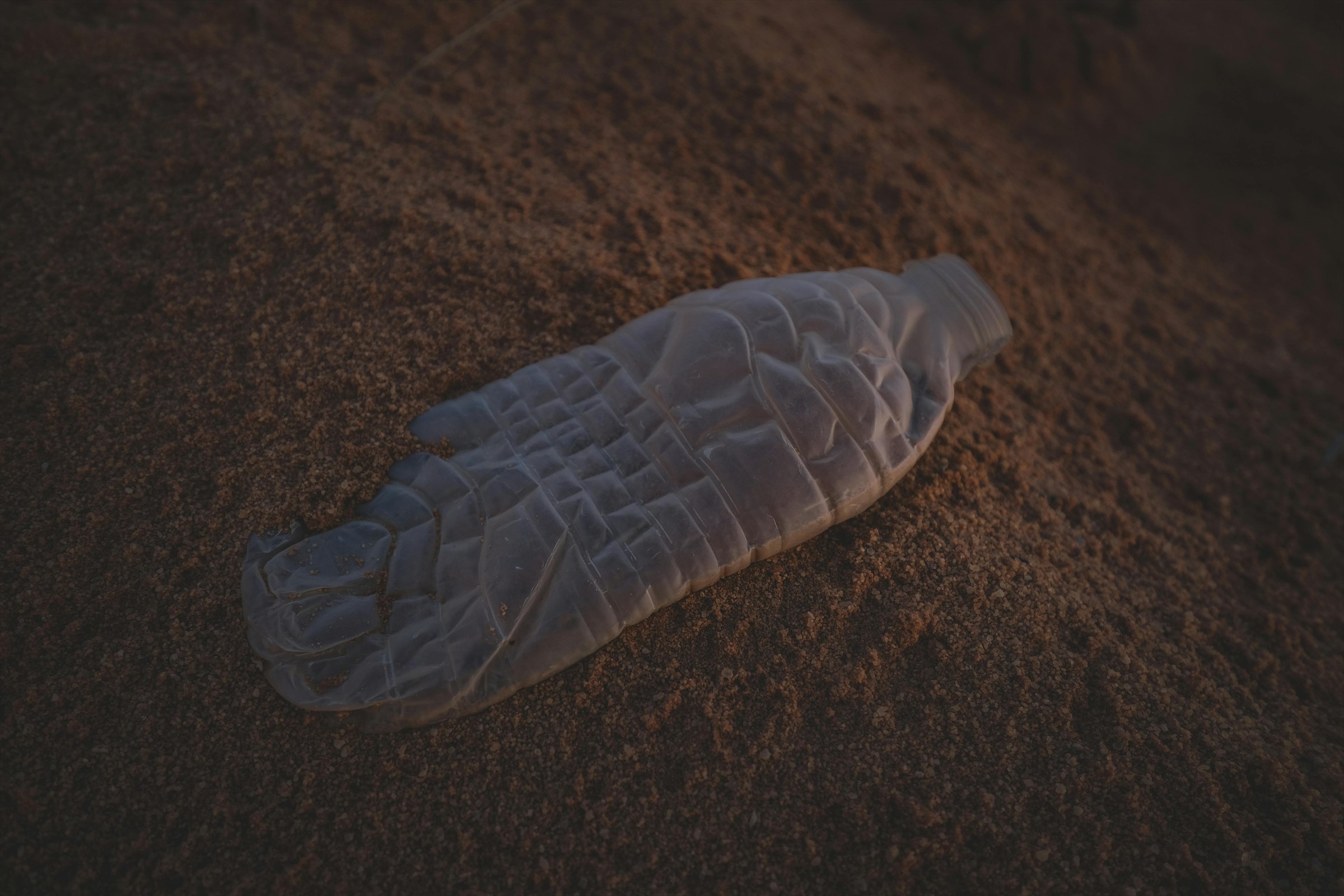
Sustainable polymer design begins with natural product feedstocks and ends with degradability and digestibility, enabling recycling processes found in Nature while reducing reliance on petrochemical building blocks.
The Wooley Research Program frames sustainable polymer design around four guiding ideas: sustainability, safety, complexity, and simplicity. Together, they point toward full circularity in how materials are sourced, synthesized, used, recovered, and regenerated.
Foundation 1
Sustainable polymer design begins with natural product feedstocks and ends with degradability and digestibility, enabling recycling processes found in Nature while reducing reliance on petrochemical building blocks.
Foundation 2
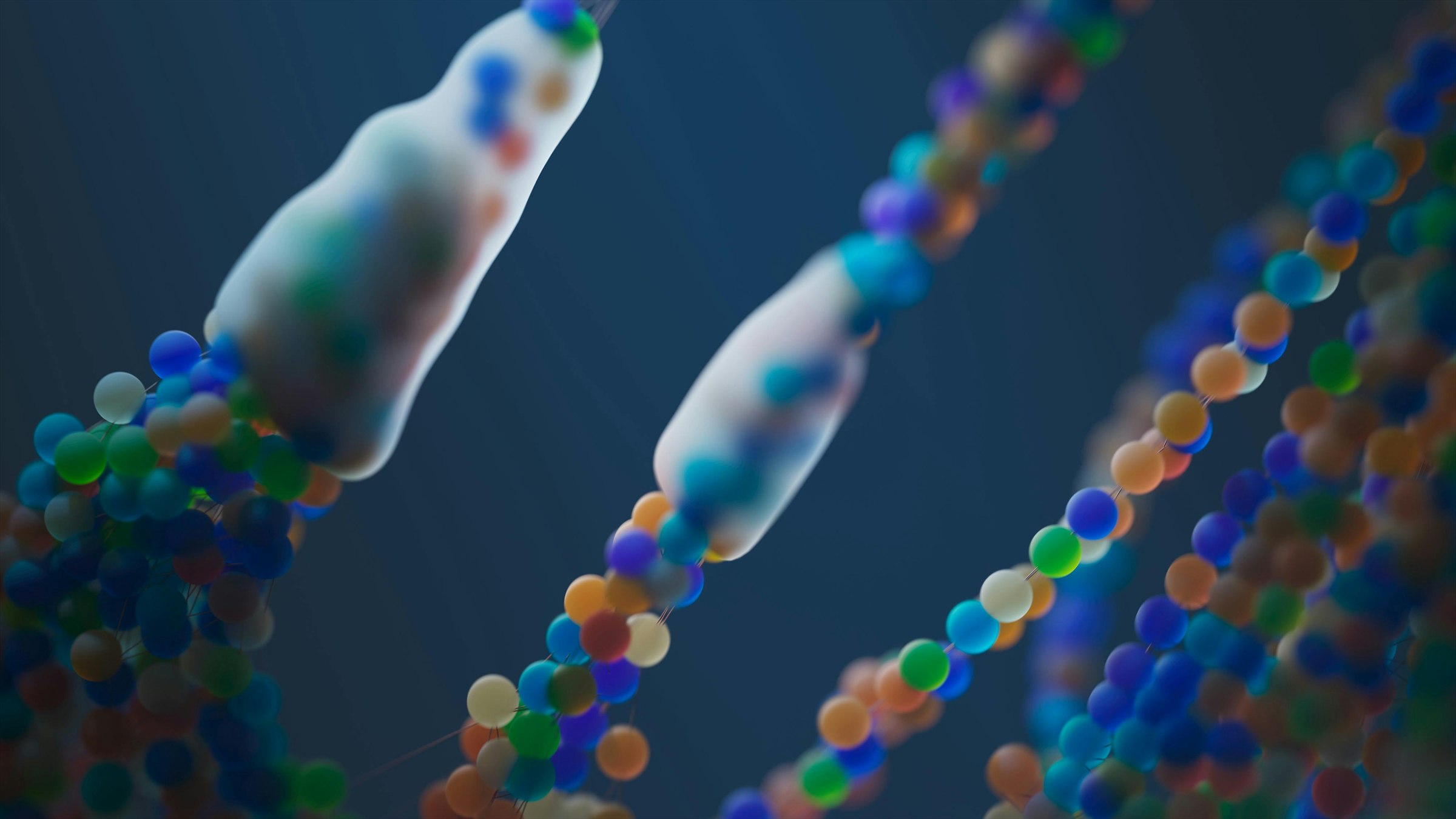
Sustainable and degradable polymers from natural products can be degraded and/or digested, improving material environmental safety. Furthermore, molecular building blocks are added to replace chemicals of concern with safe, sustainable alternatives.
Foundation 3
Natural products provide rich chemical functionality that cannot be achieved with simpler synthetic building blocks.
Foundation 4
Optimization processes including green chemistry principles guide the synthetic strategies by minimizing the number of steps required to access useful materials, allowing for scaled production and reducing environmental impact.
Step 5
Full circularity connects sustainable sourcing, safer end-of-life pathways, molecular complexity, and streamlined synthesis into a regenerative polymer design cycle.
The lab's topic pages now group people by active research area and show compact photo tiles for each member.
Biobased monomers and degradable polymer frameworks derived from sugars and other natural product feedstocks.
Learn MoreElectroactive polymer systems for energy storage, charge transport, and function-forward materials design.
Learn MoreField-informed spectroscopy, machine learning, and environmental analysis for identifying and classifying microplastic particles and polymer spectra in complex samples.
Learn MoreTranslation, scale-up, partner engagement, and commercialization pathways for sustainable polymer technologies.
Learn MoreCross-sector partnerships translating sustainable polymer discoveries into practical technologies.
Learn MoreThe Wooley Research Group's work has been supported by federal agencies, foundations, and industry partners.

Sustained support for fundamental chemical research within the Wooley Research Group.
Karen Wooley and Donald Darensbourg were awarded an NSF grant titled "Synthetic Methodologies to Harness Chemical Diversity of Natural Products for Production of Sustainable Next-generation Macromolecular Materials."
Justin Smolen, the Laboratory for Synthetic-Biologic Interactions, Nicholas Perez, John Casellas Connors, and Kurt Sundell were awarded an NSF grant to study microplastics in riverbed sediment systems.
Justin Smolen, LSBI, and Dr. George Elane received AgriLife support for work on microplastics in farm animals.
The Wooley lab and Teysha Technologies filed patent applications for degradable polymer and degradable copolymer technologies.
Industry sponsorship supporting polymer chemistry research and technology translation.
Federal support for biomedical and nanomedicine-related polymer research.
Federal support through the NIH's National Heart, Lung, and Blood Institute.
Department of the Navy support for materials and coatings research.
Foundation support for chemical research and scholar development.
Federal fellowship support for space-relevant materials research.