

Gavin Moore
Graduate Student
Field-informed spectroscopy, machine learning, and environmental analysis for identifying microplastic particles and interpreting polymer data.
Microplastics research combines environmental sampling, microFTIR focal plane array imaging, and computational classification to identify microplastic particles in environmental and biological contexts such as sediments and tissues.
These measurements feed directly into the machine-learning workflows described below, pairing field-informed sampling with data-driven classification of particles in complex samples.
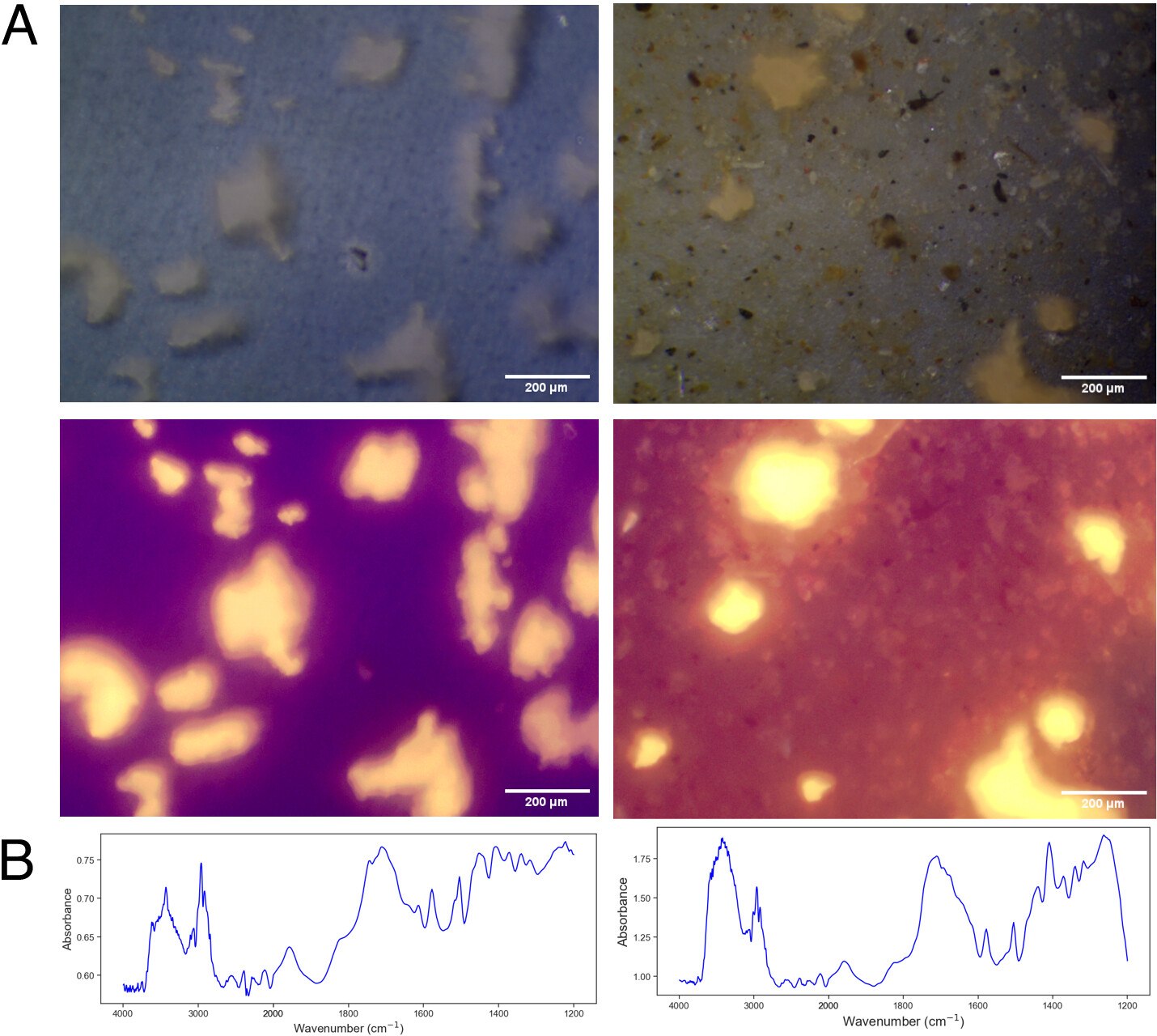
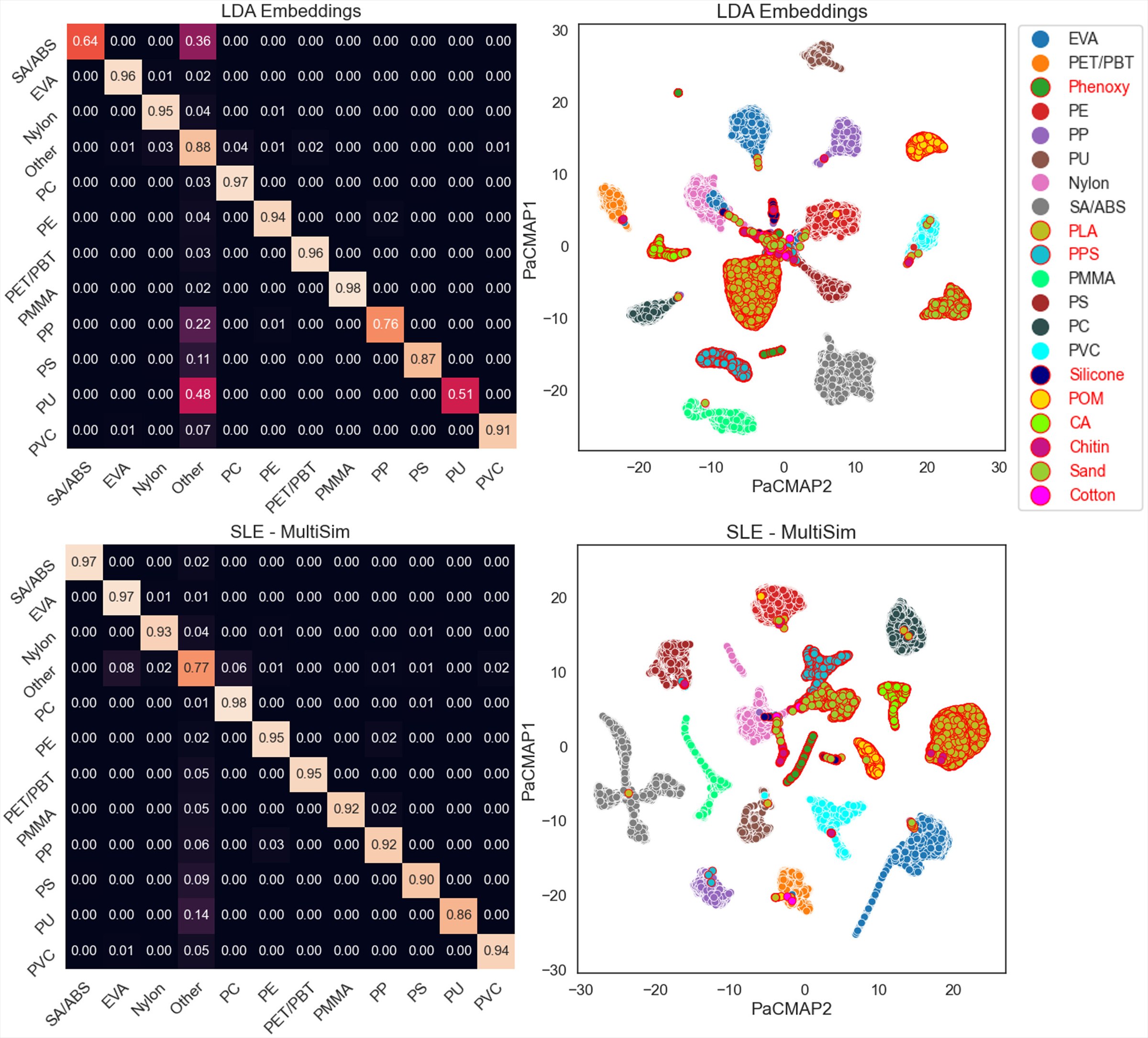
AI for polymer research uses computational tools to support pattern recognition, spectral classification, and more efficient interpretation of polymer and microplastic data.
Compact photo tiles show each member's name, role, dates, room, and email.
Graduate Student

Assistant Director and Research Specialist, Laboratory for Synthetic-Biologic Interactions